Thematics and Program

A Home for Every Discipline

Whether your field is scientific, artistic, technical, clinical, or theoretical, if your work addresses AI’s role in educating, training, or preparing learners, SAMYRAD is the right place for you.

We aim to create a conference community where no discipline feels peripheral or out of place, and everyone is invited to shape the future of AI-empowered education.

Cross-Disciplinary AI in Education​

Track 1

Cross-Disciplinary AI in Education

SAMYRAD 2026 proudly welcomes submissions from all academic and professional fields.
As artificial intelligence reshapes how we teach, learn, and practice across disciplines, the conference serves as a shared platform where educators, researchers, industry leaders, and practitioners from any domain can contribute their insights.

This track invites papers, work-in-progress, and case studies that explore how AI technologies are transforming the education, training, and professional preparation of future generations across disciplines. We encourage contributions, including (but not limited to):

Track 2

AI-Enhanced Learning Environments

Track 3

Instructional Design and Teaching Innovation

Track 4

Designing and Assessing AI Tools in Education

Track 5

Ethical, Cultural, and Societal Considerations

Track 6

Educators, Leaders, and Institutional Innovation

Track 7

Infrastructure, Strategy, and Policy Frameworks

Track 8

Academic Research and Publishing Innovations

Track 9

Interdisciplinary and Cross-Cultural Insights

Track 10

Future Outlooks and Disruptive Developments

Special Track: AI for Sustainable Development in Education

Exploring how AI applications in education can accelerate progress toward the UN Sustainable Development Goals (SDGs), this category welcomes conceptual, empirical, and case-based research. Topics may include but are not limited to:

SDG 4 – Quality Education

SDG 5 – Gender Equality

SDG 8 – Decent Work and Economic Growth

SDG 9 – Industry, Innovation and Infrastructure

SDG 10 – Reduced Inequalities

SDG 11 – Sustainable Cities and Communities

SDG 12 – Responsible Consumption and Production

SDG 13 – Climate Action

AI deployment in educational institutions

SDG 16 – Peace, Justice and Strong Institutions

Partnerships for the Goals

SDG 17 – Partnerships for the Goals

Program

Day 1: 5th of October 2026

Registration

8:00 am - 9:00 am

Keynote talks and training

9:00 am - 12:00 pm

Lunch and networking

12:00 pm -1:30 pm

Parallel presentations

1:30 pm - 4:30 pm

Day 2: 6th of October 2026

Keynote talks and training

9:00 am - 12:00 pm

Lunch and networking

12:00 pm -1:30 pm

Parallel presentations

1:30 pm - 4:30 pm

Gala dinner and award ceremony

8:00 pm -10:00 pm

Special Training
AI in Higher Education: From Vision to Practice

This interactive workshop introduces educators, researchers, and students to practical applications of Artificial Intelligence (AI) in teaching, learning, and academic research.

Presented by:

Shapes-02

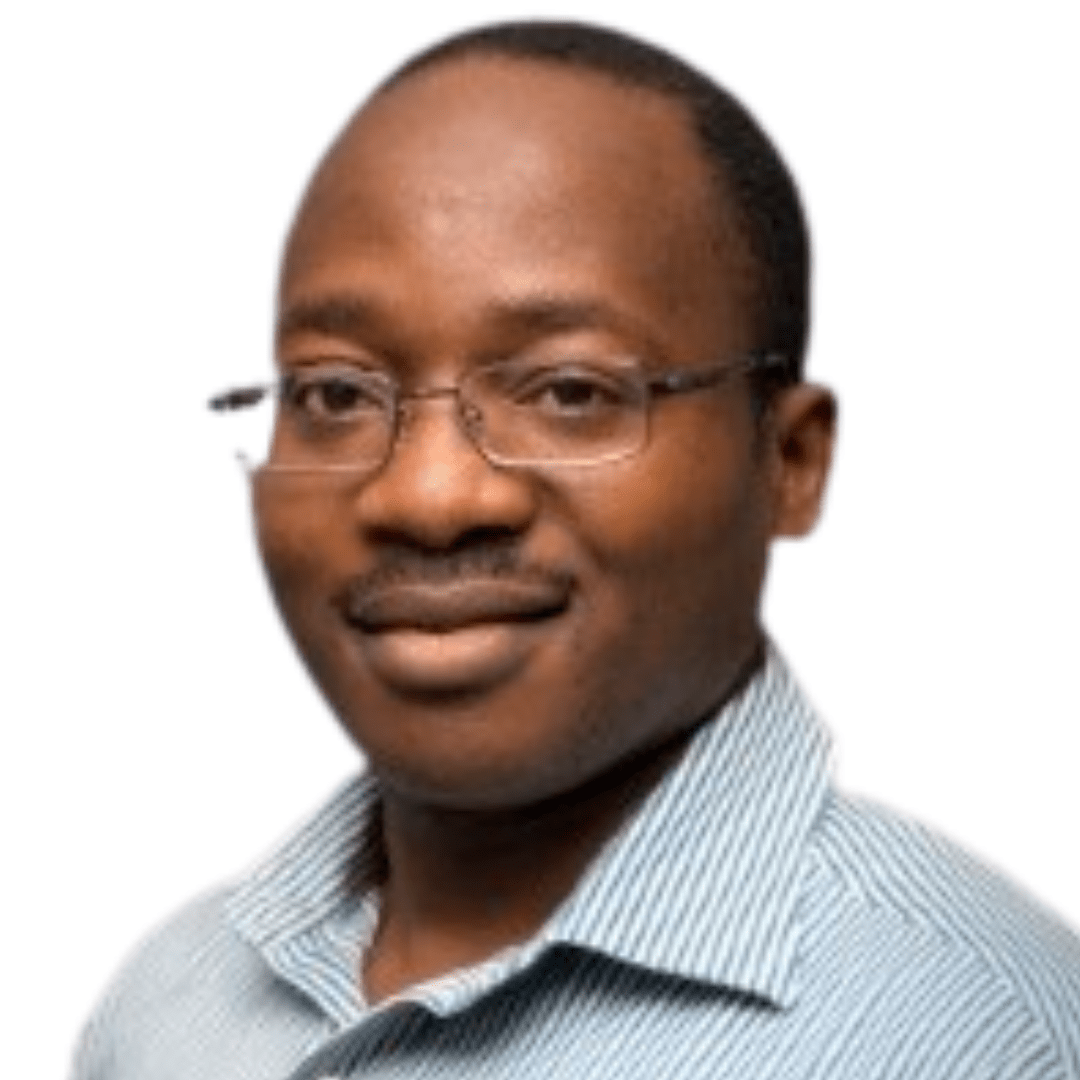
Julius Nganji, PhD

Adjunct Faculty, Department of Occupational Science and Occupational Therapy, Temerty Faculty of Medicine, University of Toronto; PhD in Computer Science, University of Hull, UK; Research on AI in education, digital accessibility, e-learning personalization, usability, and human-computer interaction; Active researcher, reviewer, and guest editor in academic journals

Shapes-02

Neil Gordon, PhD

Professor of Computer Science, University of Hull, National Teaching Fellow, Principal Fellow of AdvanceHE, Leader of the University’s Computer Science Pedagogic and Education Group, Chair of the British Computer Society’s Ethics Group, Chair of IFIP Working Group 9.2 on Social Accountability and Computing, Author of 150+ publications, Contributor to AdvanceHE reports on flexible learning, assessment, and educational inclusion, Focused on ethical computing and responsible digital practice nationally and internationally, Recent work on the impact of AI on education and AI applications toward the United Nations’ Sustainable Development Goals, including education

At the end of this workshop, participants will be able to:

The workshop will focus on hands-on demonstrations of AI-powered tools applied in different educational contexts, such as:

Registration for SAMYRAD 2026 will open on July 15, 2026