Future of Educational Innovation-Workshop series
Data in Action: Digital Ecosystem and Emerging Tools for Education (Hybrid)
16 – 18 January, 2023
Monterrey, Mexico
In Partnership with

Program Overview:
The 2023 version of the Future of Educational Innovation-Workshop series is dedicated to training participants in identifying, extracting, handling, and analyzing the internationally available databases as invaluable resources accessible by researchers of diverse expertise. In this hands-on event, we benefit from the knowledge of our distinguished guests to provide attendees with a set of skills and tools which would result in conducting cutting-edge research and analysis.
Data in Action: Digital Ecosystem and Emerging Tools for Education aims at presenting current research to expand our understanding of the technological tools and the methods they can be leveraged to generate impact on educational processes. The focus of this workshop is highlighting how researchers in the fields of Education are innovating and examining the digital ecosystem to study pedagogical approaches and ideas. We would like to present how technology may help researchers better understand educational phenomena from a perspective of data Sciences. By bringing together researchers with unique perspectives in these fields, we hope to provide a space for presenters to share innovative ideas and perspectives that are shaping the future of Education and discuss how educational practices are being shaped by new research paradigms.
Program
Day 1
16th January 2023
- Lobby (09:00 am)
- Opening statement (09:30 am)
- Lectures (10:00 am – 01:00 pm)
Covered topics:
Internationally Available Databases
Web Scrapping and Extraction
Data Science Engineering
Data Cleaning and Processing
- Lunch break (01:00pm – 03:00 pm)
- Presentations of research papers
(03:00 pm – 05:00 pm)
3 parallel tracks – 8 papers on each track
Track 1 chaired by Prof. Claudia Bautista
Track 2 chaired by Dr. Asad Abbas
Track 3 chaired by Dr. Nora León-Real
Day 2
17th January 2023
- Lobby (09:00 am)
- Opening statement (09:30 am)
- Lectures (10:00 am – 01:00 pm)
Covered topics:
IData Handling (e.g. Panda data framework)
Data Synthesis and Analysis
Conveying a Higher Meaning from the Data
Communication and Visualization (e.g. matplotlib, VosViewer or bokeh)
- Lunch break (01:00pm – 03:00 pm)
- Presentations of research papers
(03:00 pm – 05:00 pm)
3 parallel tracks – 8 papers on each track
Track 1 chaired by Dr. Kingsley Okoye
Track 2 chaired by Ana Marie Perea
Track 3 chaired by Prof. Claudia Camacho
Day 3
18th January 2023
- Networking Cocktail (7:00 pm – 11 pm)
Almacen 42 located in Barrio Antiguo
Invited
Presenters
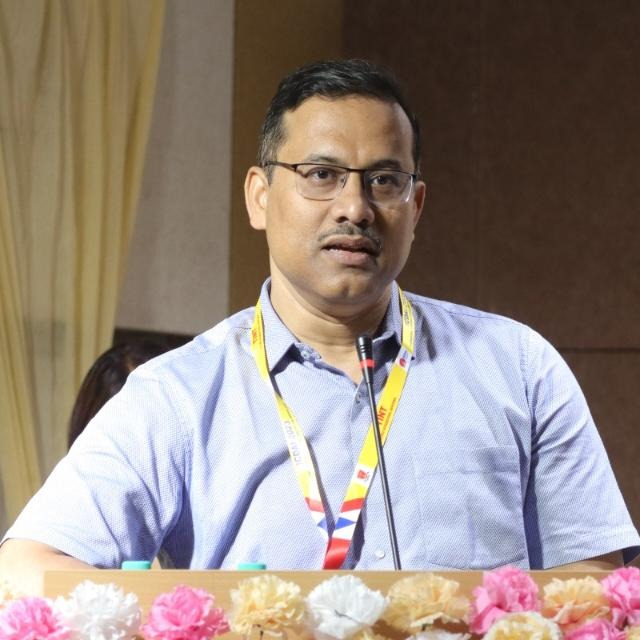
Professor Amlan Chakrabarti
Professor and Director, School of Information Technology, University of Calcutta, India
Dr. Amlan Chakrabarti is a Full Professor in the A.K.Choudhury School of Information Technology at the University of Calcutta. He was a Post-Doctoral fellow at the School of Engineering, Princeton University, USA during 2011-2012. He has 20+ years of experience in Engineering Education and Research. He is the recipient of the DST BOYSCAST fellowship award in Engineering Science (2011), the Indian National Science Academy (INSA) Visiting Faculty Fellowship (2014), the JSPS Invitation Research Award (2016), Erasmus Mundus Leaders Award (2017), the Hamied Visiting Professorship from University of Cambridge, UK (2018), Siksha Ratna Award by Dept. of Higher Education Govt. of West Bengal (2018) and has been awarded as the Fellow of West Bengal Academy of Science and Technology (2022). He has also served in various capacities in various higher education organizations both at national and international levels.
He has contributed immensely in the development of efficient computer algorithms and systems in multiple projects supervised by him in both International and National levels. He led research and consultancy projects supported by CERN Geneva, GSI Helmholtz Research Laboratory Germany, DST, DRDO MietY, Intel, TCS etc. He is also serving as the Head of IT and Tech. Innovation Cell of the Dept. of Higher Education Govt. of West Bengal. He has graduated 20 Ph.D. students till date and has published 200+ research papers. He is the Series Editor of Springer Transactions of Computer Systems and Networks, the Series Editor of the Springer Book Series on “Water Informatics”, an Associated Editor of the Elsevier Journal of Computers and Electrical Engineering and Guest Editor of the Springer Journal of Applied Sciences. He is a Sr. Member of IEEE and ACM, IEEE Computer Society Distinguished Visitor, Distinguished Speaker of ACM, Secretary of IEEE CEDA India Chapter, Member of the International Water Association, Vice President of the Data Science Society and Life Member of CSI India. His areas of research are Machine Learning, Computer Vision, Reconfigurable Computing, VLSI CAD and Quantum Computing.
Dr. Uohna Thiessen
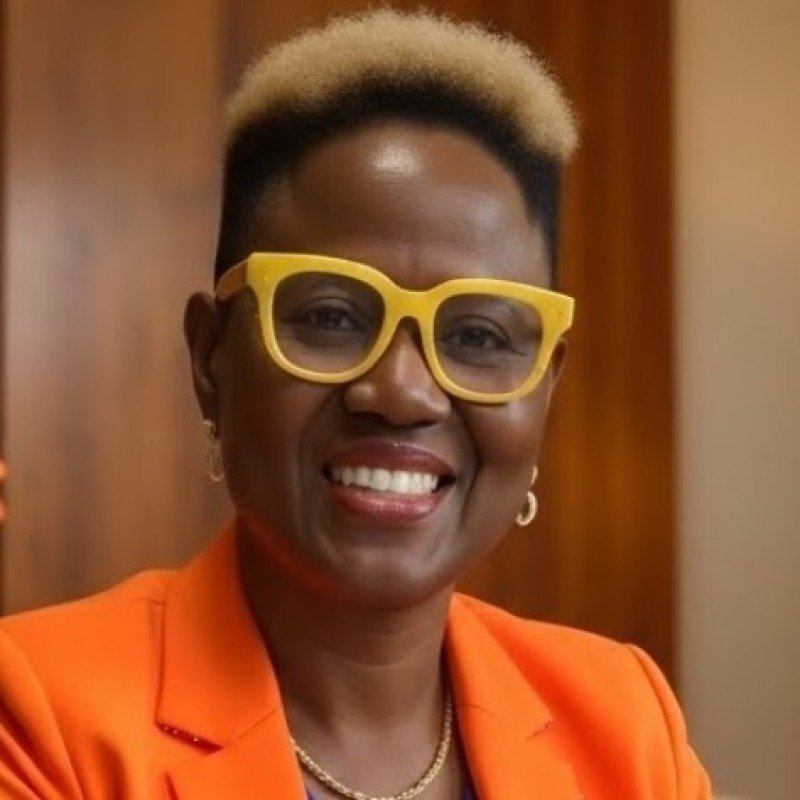
Senior data scientist at Meta
Dr. Uohna Thiessen is a data scientist and data science educator whose mission is to promote data science education to as many as possible. A statistician by training, she strongly advocates for the inclusion of scientific rigor in all data science endeavors. She earned a Ph.D. in Epidemiology, with an emphasis in biostatistics, from Walden University, Minneapolis, MN. Her research focused on using cross-sectional or cohort data to develop disease prediction algorithms. Her dissertation led to improved performance of a risk prediction model for cardiovascular disease. Her extensive background in teaching, research, neuroscience, and machine learning gives her a wealth of knowledge and makes her a formidable force for promoting data literacy and data science education.
Dr. Uohna holds an undergraduate degree in Biochemistry from Oakwood Oakwood University, Huntsville, AL, where she started her research career. She conducted cutting-edge research in plant electrophysiology research, under her mentor Dr. Alexander Volkov. Upon graduating from Oakwood, she worked as a formulator for Procter & Gamble (P&G), developing healthcare products. She is credited with having formulated the dozens of flavors for the Crest Whitening Expressions toothpaste campaign, which was a first of its kind and marketing success. After P&G, she pursued a Ph.D. in Neuroscience at Wright State University, Dayton, OH. Completing the required course work and successfully defending her comprehensive exam, she qualified as ABD (All But Dissertation). However, while conducting electrophysiology experiments, she realized that she was more enthusiastic about compiling, analyzing, and presenting research data- hers and her colleagues, than she was about bench experiments. So, she transitioned to Walden University, where she would eventually earn her doctorate. It was as a graduate teaching assistant, both at Walden and Wright State, that her passion for teaching statistics and quantitative analysis was harnessed.
Dr. Mark Thiessen
Senior System Analyst at NASA
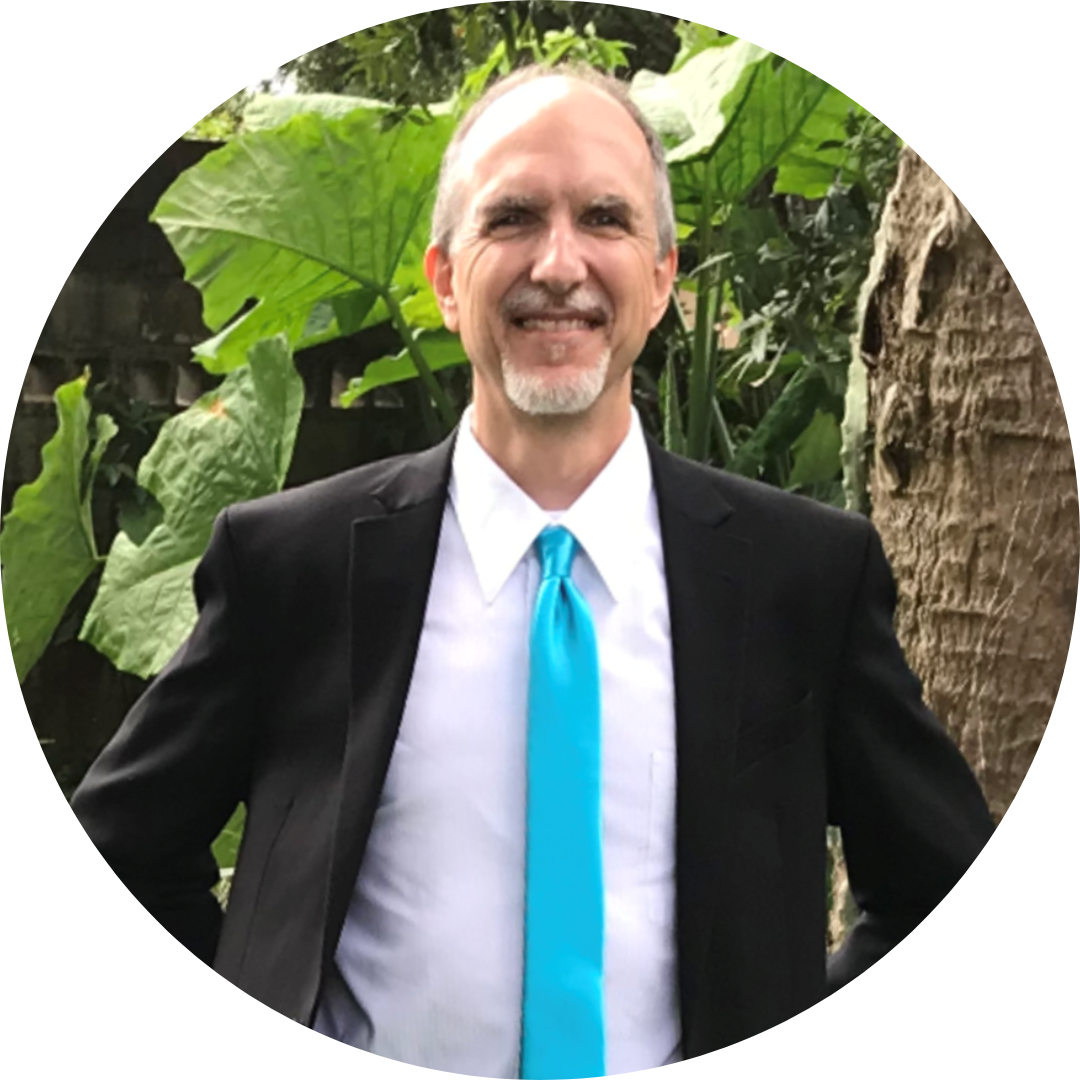
Mark Thiessen is a system analyst for NASA Kennedy Space Center (KSC) as part of the Test Operations Support Contract (TOSC), where he leads a launch control software team for NASA’s Artemis program. His goal is to support NASA’s return to human exploration of deep space. At NASA, Mark views everyone as his customer. This philosophy led to him receiving a “TOSC ACE” award.
Mark has a bachelor’s degree in electrical engineering technology from Roger Williams University. His electrical, computer, and software engineering experience span three decades supporting numerous organizations, including Branson Ultrasonics, Spectra Physics, Trimble Navigation, and now NASA KSC.
For Branson, Mark helped bring their tabletop “Bransonic” ultrasonic cleaners into the computer age. He did this by designing two circuit boards for a new generation of ultrasonic cleaners; one board that used microcontroller-ready power MOSFETs (new technology transistors in those days) to drive the ultrasonic transducers rather than the bipolar transistors used by the previous generation of cleaners and a second board that used an 8-bit 6805 microcontroller to provide timing and heating controls for the user. The program he wrote for that microcontroller was the first he wrote professionally.
For Spectra Physics and Trimble, Mark helped bring their machine control products into the computer age (seeing a pattern?) by replacing their hard-wired products with “smart” products. He did this by designing numerous power and microcontroller circuit boards and ever larger embedded, hard real-time programs, especially for “BladePro,” a series of products that added precision automated control to heavy-duty road graders using ultrasonic, laser, and GPS receivers.
Mark enjoys life outside work with his wife, Uohna. Together they work on machine learning projects, each contributing their relative expertise in analytics, statistics, and programming. As part of NASA’s mission is to expand the interaction of the public, they provide access the massive quantities of their Earth science data. Mark’s excited to talk about NASA’s Mission Data products, particularly the Small Bodies Node, which uses planetary science data to study dwarf planets, objects in the Kuiper Belt, and small planetary satellites.
Dr. Jyoti Gautam
SJSS Academy of Technical Education, NOIDA (Affiliated to Dr. APJ Abul Kalam Technical University)
Received the Award of Exceptional Women of Excellence at the 84th Edition of Women Economic Forum. Visiting Professor with Rajiv Gandhi National Institute of Youth Development (Institute of National Importance) Ministry of Youth Affairs and Sports, Govt. of India, Sriperumbudur. Patent granted alongwith Prof. Amlan Chakrabarti in the domain of water conservation and management. Visiting Researcher at the Waterinformatics Laboratory of the department of Information Technology, AKCSIT, University of Calcutta. Presented a Workshop session on ‘An Innovative Paradigm in Water Informatics for Smart City Applications’ alongwith Prof. Amlan Chakrabarti Copenhagen, Denmark from 11th to 15th September, 22. Received certificate of completion for Innovation Ambassador Training ‘Foundation Level’ conducted in online mode by MOE’s Innovation Cell & AICTE during the Academic Year 2021-22. Reviewed the “Digital Water Book’ by the International Water Association. Resource person for presenting a workshop on Water Informatics at IASECT 2021, hosted by PMU, Kingdom of Saudi Arabia.
Invited as a resource person by CEBT (Centre for Emerging Business Technologies) – School of Business and Management (MBA) (Deemed to be University), Pune Lavasa campus for a Water Symposium on the title ‘Designing Digital Solutions for Water Management’. Invited as a resource person by Sinhgad Institute of Management (SIOM), Pune for one Week online FDP sponsored by AICTE on Machine Learning, Data Science and Deep Learning with Python. Invited as a resource person by IWA Headquarters, London for a Webinar on ‘Water Informatics: Introduction and Case Studies’. Webinar hosted by IWA Headquarters, London and is now available on IWA Learn. Invited by IWA (International Water Association) Specialist Group Water Loss, to present a webinar on the research findings in the domain of Water Loss. Invited as a Session Chair by International Water Association, World Water Congress and Exhibition held in Tokyo in September, 2018. Got MOU signed between Xinova, Seattle, USA and JSSATE NOIDA. Invited as a speaker and session chair from different countries for various research works. Jury for Smart India Hackathon and World Skills Competition. Working in Smart Systems, Data Analytics, Data Mining, Machine Learning and Artificial Intelligence. Published papers and Reviewer for various reputed International journals and conferences.
Call for Papers
This workshop welcomes research and practice-based works. We encourage authors to present their research results or work in progress addressing (but not limited to) one or several of the following topics:
- Educational data mining and learning analytics
- Technology-enhanced teaching and learning
- E-learning and transforming educational environments
- Human–machine collaborative learning
- Higher education to prepare workforce for Industry 4.0
- Data-driven Education
- Digitization, machine learning and deep learning at service of education
- Neural network and artificial intelligence
- Immersive Learning Environments
- Ubiquitous smart technologies in education
- Virtual, augmented and mixed reality in education
- Wearable devices and mobile learning
- Robotics in teaching and learning
- Remote learning
- Technology-enabled lifelong learning
- Technology and aftermath of COVID-19 pandemic
The accepted papers will be submitted for inclusion into IEEE Xplore subject to meeting IEEE Xplore’s scope and quality requirements. The most promising contributions presented at this workshop will be invited to send their extended versions to the linked Special Issues.
We are calling for papers addressing (but not limited to) one or several of the following questions:
- What are the challenges facing educational researchers employing machine learning as a research tool?
- What strategies can be implemented in real pedagogical contexts combining machine learning applications in educationally innovative contexts?
- How are these methodologies, tools and technologies being blended into existing practices?
- What are the new data points from emerging technologies in machine learning settings?
- How are the results of machine learning approaches supporting different educational domains?
- What are the ethical considerations when employing machine learning to support educational innovations?
- What is the future of machine learning to support educational innovations?
- What role can AI and ML play in facilitating home-based learning in a pandemic situation?
- How can ML enable evaluating learning efficiency of students using streaming video inputs?
- How can ML facilitate academic evaluation for students to gauge teaching-learning effectiveness?
Dates of importance
Submission deadline (Extended Abstract):
8th August 2022 – 8th September 2022
Acceptance Notification:
10th September 2022
Early bird registration:
13th September 2022
Final registration:
13th September 2022
Full paper submission:
1st November 2022 – 8th November 2022
Workshop participation and presentation:
15th December 2022
Revision Notification:
15th January 2023
Full paper acceptance notification:
16-18 January 2023
Submission process
You may submit your contribution in two PDF documents: a blind extended abstract (without author(s) information) and a document with the abstract title and author(s) information.
It is necessary to use the IEEE template for the extended abstract and the full article.
The contributions will be managed through CONFTOOL.
Publications
The accepted papers will be submitted for inclusion into IEEE Xplore subject to meeting IEEE Xplore’s scope and quality requirements. The most promising contributions presented at this workshop will be invited to send their extended versions to the Special Issues linked to this event.
Organizing Committee
General chairs:
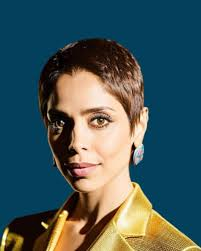
Prof. Samira Hosseini
Tecnologico de Monterrey, Mexico
Session chairs:
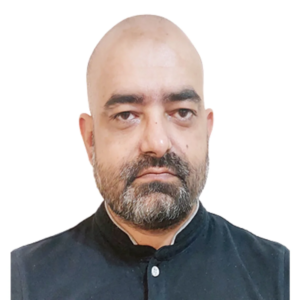
Dr. Asad Abbas
Tecnologico de Monterrey, Mexico
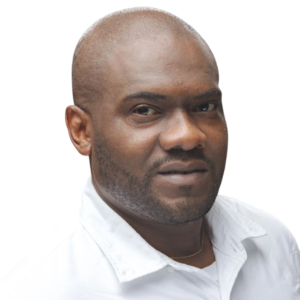
Dr. Kingsley Okoye
Tecnologico de Monterrey, Mexico
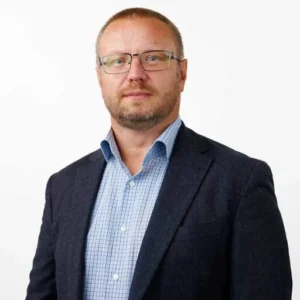
Dr. Alexander Amigud
Tecnologico de Monterrey, Mexico

Prof. Claudia Bautista
Tecnologico de Monterrey, Mexico
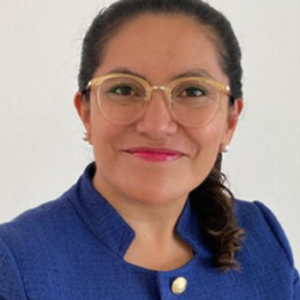
Prof. Claudia Camacho
Tecnologico de Monterrey, Mexico
Conference coordination:
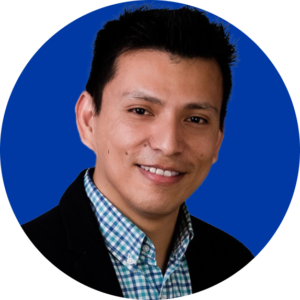
Dr. Ivan Acebo
Tecnologico de Monterrey, Mexico
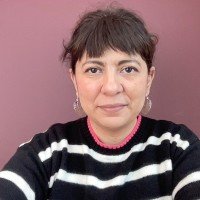
Dra. Nora León-Real
Tecnologico de Monterrey, Mexico
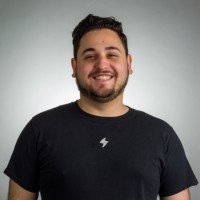
Fernando Torres Guerra
Tecnologico de Monterrey, Mexico
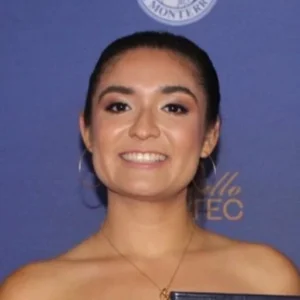
Ana Marie Perea
Tecnologico de Monterrey, Mexico
Registrations
Two-day workshop Participation
$440 USD
Two-day workshop Participation
Certification
Access to the online writing tools and trainings
$560 USD
Disclaimer : This event was an independent university initiative, not affiliated with SAMYRAD.
Sponsors